 Our Location
  (972) 315-6100
 (972) 315-6100
Phase I treatment is early orthodontic care for children ages 6-10, and its importance lies in correcting bite and jaw issues while your child’s bones are still growing. What is the importance of Phase I treatment? It guides jaw development, creates space for adult teeth, and may simplify or shorten future orthodontic treatment. At Bliss Orthodontics, Dr. Anabella Henao uses early intervention to help kids build healthier smiles long-term.
What Is Phase I Orthodontic Treatment?
Phase I orthodontic treatment, also called interceptive treatment, is early care provided to children between ages 6 and 10 while baby teeth are still present. It targets specific bite or jaw concerns before all permanent teeth come in, using growth to your child’s advantage rather than working against it later.
This stage is different from full braces. Phase I focuses on targeted fixes, like guiding jaw growth, widening a narrow palate, or correcting a crossbite. It is not about straightening every tooth right away. That comes later.
The American Association of Orthodontists recommends every child have a first orthodontic evaluation by age 7. By this age, enough adult teeth have come in for Dr. Henao to spot developing concerns early. An evaluation doesn’t always mean treatment starts immediately. Sometimes the best plan is to simply monitor your child’s growth and step in at just the right moment.
Phase I is part of a two-phase approach to care:
- Phase I (interceptive): addresses skeletal or growth concerns while baby and adult teeth mix together in the mouth
- Resting period: the remaining adult teeth come in naturally
- Phase II (complete): may involve braces, clear braces, or Invisalign in the early teen years to fine-tune alignment
Not every child needs two phases. Some do beautifully with a single round of treatment later. But when early concerns are present, acting at the right age can make a real difference. At Bliss Orthodontics, Dr. Henao creates a personal plan based on what your child actually needs. No cookie-cutter fixes here.
Why Phase I Treatment Is Important and How It Works
Phase I treatment works in five clear steps: an early evaluation, identifying specific concerns, applying targeted appliances, guiding jaw growth, and a resting period before any future Phase II care. Most Phase I plans vary based on the child, the appliance used, and the type of bite or growth concern being treated. The goal is simple: address growth-related concerns now so your child has more room for healthy adult teeth.
Here’s how the process typically unfolds:
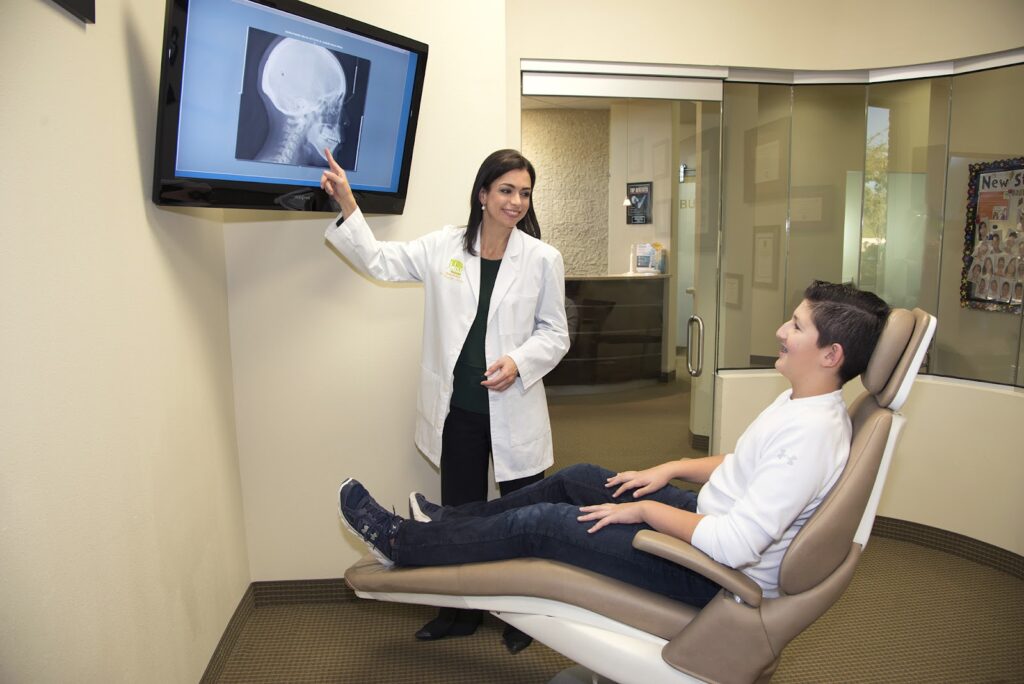
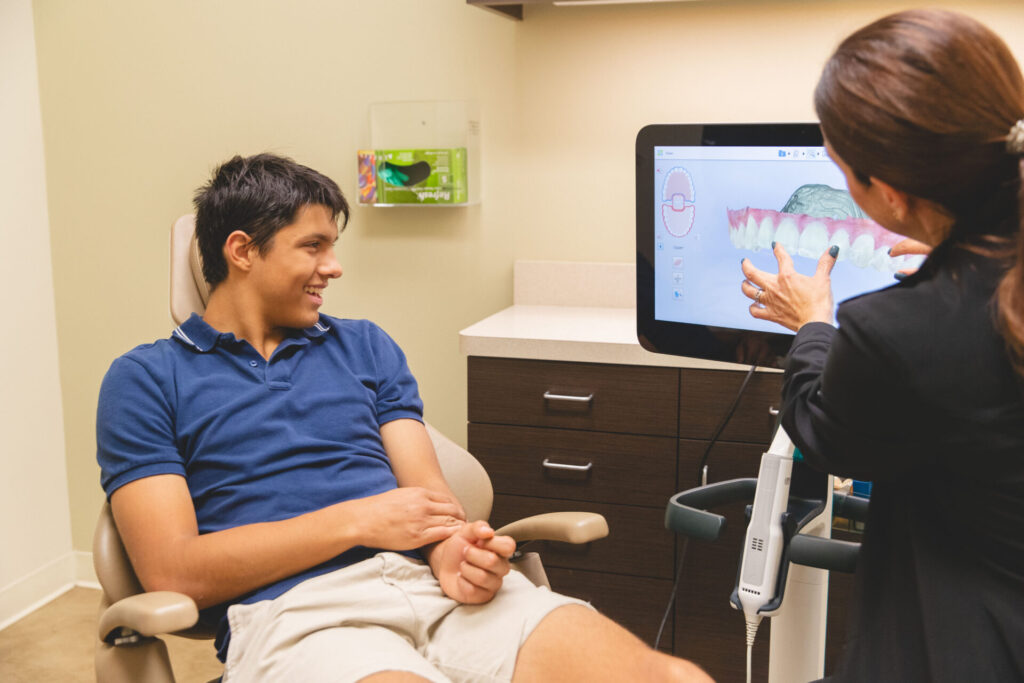
- Early evaluation and growth assessment. Treatment begins with digital scans, digital photos, and digital X-rays. Dr. Henao reviews your child’s bite, jaw development, and where adult teeth are heading.
- Identifying specific concerns. Common findings include crossbites, severe crowding, narrow upper jaws, underbites, or front teeth that stick out and could get bumped during play.
- Choosing the right appliance. Treatment may involve:
- A MARPE/MSE expander to widen a narrow upper jaw
- Partial braces on a few key teeth to correct a bite
- Invisalign First clear aligners designed for younger smiles
- Habit appliances to gently retrain thumb-sucking or tongue thrust
- Guiding jaw growth and making space. While bones are still developing, gentle pressure helps direct growth in the right direction. This can make space for incoming adult teeth and may reduce the need for more involved treatment later.
- Resting period. Once Phase I goals are met, your child takes a break while the rest of the adult teeth come in. Progress is monitored during this time with periodic check-ins recommended by Dr. Henao.
Benefits of Early Phase I Treatment
Early treatment offers real, lasting advantages because it works with your child’s natural growth, not against it. When Dr. Henao steps in at the right age, treatment may be gentler, shorter, and more effective than waiting until everything has fully developed.
Here are the key benefits:
- Guides jaw growth at the right time. While bones are still developing, small corrections can create meaningful results. Fixing a narrow palate or growth imbalance now is often easier than addressing it after the jaws have fully set.
- Creates space and may reduce extractions later. Widening a tight upper jaw or relieving severe crowding can give adult teeth more room to come in naturally. In some cases, this may reduce the need for extractions later.
- Protects front teeth from injury. Kids with protruding front teeth may be more likely to chip or break them during sports or playground tumbles. Phase I can help move those teeth into a safer position.
- Corrects habits before they cause lasting changes. Thumb-sucking, tongue thrusting, and mouth-breathing can influence jaw and bite development over time. Early intervention can help redirect these habits when appropriate.
- Can simplify Phase II. When the foundation is right, full braces or Invisalign in the teen years may go faster and smoother. Some kids only need a shorter Phase II touch-up.
- Builds confidence during formative years. Kids notice their smiles. Fixing a noticeable bite concern early can help your child feel more confident during important developmental years.
According to the American Association of Orthodontists, early evaluation gives the orthodontist the best opportunity to identify concerns and time care for maximum benefit. That is exactly the approach Dr. Henao takes at Bliss Orthodontics.
Phase I vs. Waiting for Full Treatment
Sometimes early care is essential. Sometimes waiting for one round of treatment in the teen years is the smarter call. The right answer depends entirely on what Dr. Henao finds during your child’s evaluation.
Here’s a side-by-side look at how the two approaches compare:
| Factor | Phase I (Early Treatment) | Waiting for Full Treatment |
|---|---|---|
| Typical Age | 6-10 years old | 11-14 years old |
| Concerns Addressed | Jaw growth, crossbites, severe crowding, harmful habits, protruding teeth | Tooth alignment, bite refinement, cosmetic concerns |
| Treatment Length | Varies by appliance and growth concern | Varies by case complexity |
| Appliances Used | Expanders, partial braces, Invisalign First, habit appliances | Full braces or Invisalign |
| Best For | Skeletal or growth concerns that worsen over time | Minor crowding or spacing without bite concerns |
Phase I treats skeletal and growth-related concerns that can get harder to fix once the jaw has finished growing. A crossbite left alone can lead to uneven jaw growth. A narrow palate may affect bite development and, in some cases, airway-related concerns. These are not always concerns time will solve on its own.
On the other hand, minor crowding, small spaces, or slightly rotated teeth can usually wait. There is no benefit to early treatment if a single round of braces or Invisalign will handle everything beautifully in a few years.
Some kids need active treatment now. Others just need monitoring. Dr. Henao only recommends Phase I when it offers a clear advantage for your child.
Cost Factors for Phase I Treatment
Phase I treatment cost depends on the appliance type, treatment length, and how complex your child’s case is. A short expander plan may cost less than a longer plan using partial braces or Invisalign First. Phase I and Phase II are typically billed separately, so you only pay for what your child actually needs at each stage.
Several factors shape the final cost:
- Appliance type. An expander may have a different cost than partial braces or clear aligners.
- Treatment length. Shorter plans may cost less than longer plans.
- Case complexity. Combination treatments, such as an expander plus partial braces, can affect the total.
- Number of visits. Routine adjustments are part of every plan.
Many orthodontic insurance plans include coverage for early treatment, and a lifetime orthodontic benefit may apply to Phase I, Phase II, or both. Bliss Orthodontics offers financing and insurance help, flexible payment options, special offers, and an online payment calculator so you can see numbers before your visit.
Early treatment can sometimes reduce total long-term costs. By correcting growth concerns now, Phase II may be shorter and less involved. That can mean fewer months in braces and a simpler complete smile plan.
Is Your Child a Candidate for Phase I?
Not every child needs Phase I treatment, but certain signs make an early evaluation worth scheduling. The earlier Dr. Henao can take a look, the better your options. With specialized orthodontic training and experience caring for growing smiles, Dr. Anabella Henao knows what to watch for in a child’s developing bite.
Watch for these common signs:
- Early or late loss of baby teeth. Losing baby teeth too soon or holding onto them too long can affect how adult teeth come in.
- Visible crowding or spacing. When adult teeth start coming in misaligned or there is clearly not enough room, it is time for an evaluation.
- Difficulty chewing or biting. Kids who struggle to chew normally may have a bite that needs attention.
- Crossbites, underbites, or overbites. These bite concerns rarely improve on their own.
- Protruding front teeth. Upper teeth that stick out are more vulnerable to injury.
- Mouth breathing. Persistent mouth breathing can signal a narrow palate or airway concern.
- Thumb-sucking past age 5. Continued sucking habits can shape the developing jaw.
- Speech concerns. Some speech challenges connect to tongue position or bite alignment.
The American Association of Orthodontists recommends every child have a first orthodontic exam by age 7. Even if no treatment is needed, you will have peace of mind and a baseline for the future.
Only an in-person exam can tell you for sure whether Phase I is right for your child. Bliss Orthodontics offers free consults in two convenient ways: visit our office for an in-person exam, or schedule a virtual visit from home. Dr. Henao reviews everything with you, answers your questions, and gives you honest guidance, even if that means “let’s wait and watch.”

Frequently Asked Questions About Phase I Treatment
At what age should Phase I treatment begin?
Phase I treatment typically begins between ages 6 and 10, while a mix of baby and adult teeth is present. The American Association of Orthodontists recommends a first orthodontic evaluation by age 7. At that visit, Dr. Henao can identify whether early care will help, or whether monitoring is the better path.
How long does Phase I orthodontic treatment last?
Phase I treatment timelines vary depending on the appliances used and what your child’s bite needs. Some kids finish with a single expander plan. Others may wear partial braces or aligners for longer. Dr. Henao will give you a clear timeline as part of your child’s personal plan.
Will my child still need braces after Phase I?
Many kids do still need a Phase II of braces or Invisalign in their early teen years, but Phase II is often shorter and simpler thanks to the groundwork laid early. Some kids only need a brief Phase II touch-up. A few finish their smile after Phase I alone. Dr. Henao will give you an honest expectation up front so your family knows what to expect at each stage.
Does Phase I treatment hurt?
Phase I treatment is designed to be gentle and comfortable for young families. Your child might feel some pressure or mild soreness in the first few days after a new appliance is placed or adjusted, but most kids adjust quickly. Dr. Henao and our friendly team make every visit easy and stress-free.
Can Invisalign be used for Phase I treatment?
Yes. Invisalign First is a clear aligner system designed specifically for younger kids with a mix of baby and adult teeth. It can correct crowding, expand the arches, and address bite concerns without metal braces. Dr. Henao will let you know during your free consult whether Invisalign First is the right fit.
Is Phase I treatment always necessary?
No. Plenty of kids do beautifully with a single round of treatment later in their teen years. Phase I is only recommended when early intervention offers a clear advantage, such as guiding jaw growth, fixing a crossbite, or making room for adult teeth. If your child does not need it, Dr. Henao will tell you straight.
How do I know if early treatment is right for my family?
Early orthodontic care can shape your child’s smile for life, but the only way to know if Phase I is right for your family is to ask. Dr. Anabella Henao brings focused orthodontic expertise to every visit, and you see the same trusted doctor through every step. Bliss Orthodontics welcomes families looking for simple, affordable treatment.
Ready to find out whether early treatment is right for your child? Schedule a free consult in person at our office or virtually from home. Ready for a big, blissful smile? Smile big with Bliss!
To continue learning, visit our Orthodontics for All Ages, Our Treatments, MARPE/MSE Treatments, Invisalign, Metal Braces, Clear Braces, Orthodontic FAQs, Free Consult, and Contact Us pages.